
Ceiling Fan Buying Guide: How to Shop Ceiling Fans in Hawaii
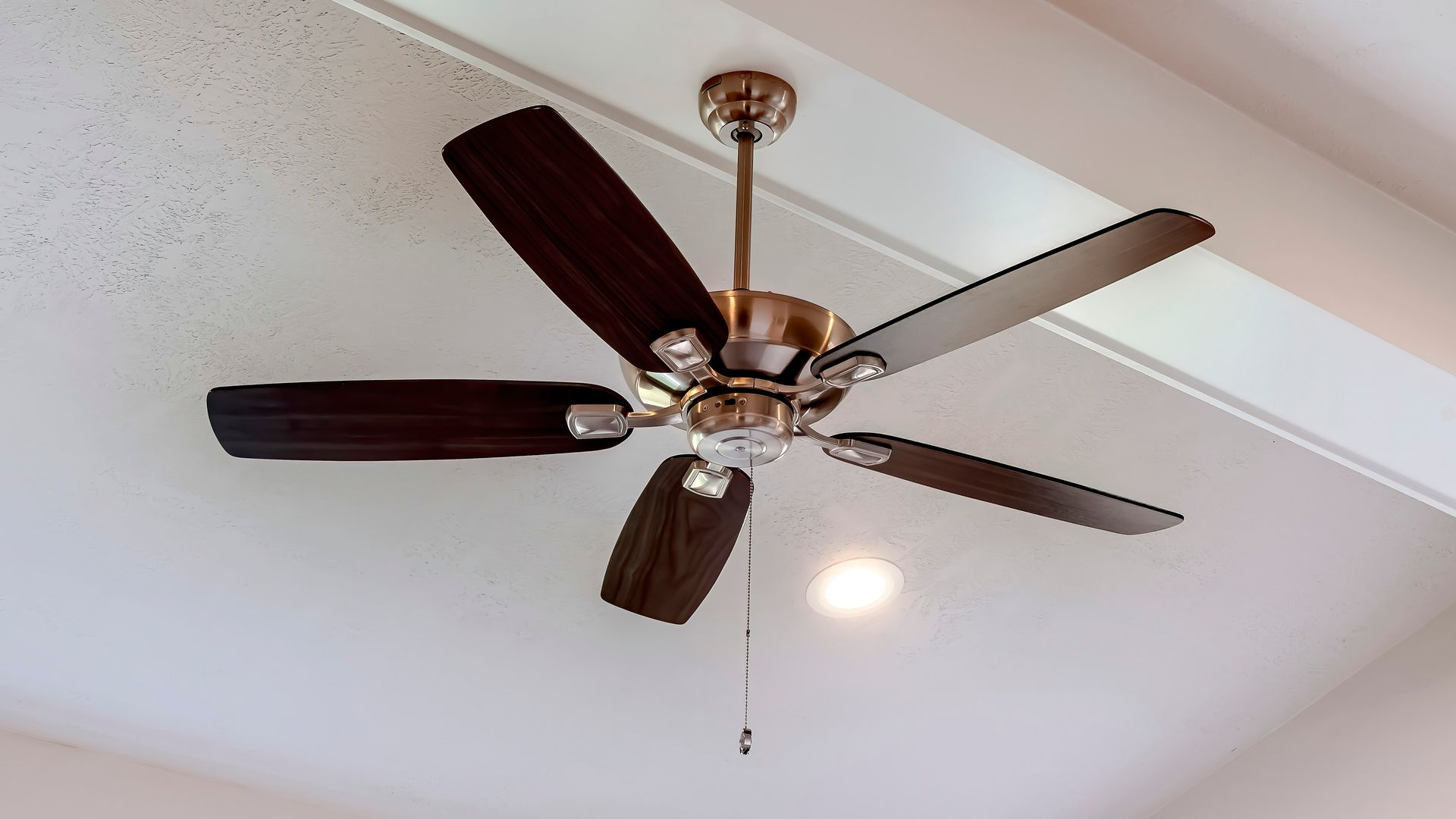
Choosing the right ceiling fan is one of the most practical home improvements a Hawaii homeowner can make, and at Maui Fan Center Inc, we know that learning how to shop ceiling fans in Hawaii starts with understanding the island's unique climate and living spaces. From breezy lanais to salt-air-exposed outdoor areas, Hawaii homes have specific needs that differ from mainland purchases. In this guide, we walk you through blade size, motor quality, placement, and maintenance so you can make a confident choice.
How Do You Pick the Right Size Ceiling Fan for Your Room?
Blade span is the most important measurement when you shop ceiling fans. As a general rule, rooms under 75 square feet may work well with a 29- to 36-inch fan, while larger living areas often need 52 inches or more. Matching blade span to room size helps ensure steady, even airflow without creating uncomfortable drafts.Blade Materials Matter in Coastal Climates
Hawaii's humid, salt-rich air can cause certain blade materials to warp or corrode faster than expected. We often recommend ABS plastic or composite blades for coastal settings, as they tend to hold up better than untreated wood. If you prefer a natural wood look, we suggest seeking out blades with a moisture-resistant finish or sealed coating.Motor Quality and Airflow Efficiency
A higher-quality motor typically runs quieter and lasts longer. We encourage our customers to look for fans rated with a strong CFM (cubic feet per minute) number, as this measures how much air the fan moves per minute. Energy-efficient motors can also help reduce electricity use, which is especially helpful given Hawaii's higher utility rates.Indoor vs. Lanai vs. Outdoor: Which Fan Do You Need?
Ceiling fan placement in Hawaii determines which safety ratings you need. Indoor fans are suited for dry interior rooms. Damp-rated fans can handle covered lanais or areas with occasional moisture. Wet-rated fans are the right choice for fully exposed outdoor spaces where rain or direct moisture is a regular factor. In our experience, installing the wrong rating can shorten a fan's life significantly.Installation Considerations for Hawaii Homes
Ceiling height plays a role in how a fan performs. Standard downrod lengths work well for 8-foot ceilings, but vaulted or high ceilings common in older Hawaii homes may need extended downrods to keep blades at the ideal height of 7 to 9 feet from the floor. We always recommend checking that the electrical box is rated for ceiling fan use before installing.Simple Maintenance Tips to Extend Fan Life in Hawaii
Regular maintenance can help your ceiling fan last many years longer. We suggest dusting blades every few weeks to prevent buildup, which can throw the fan off balance and strain the motor. Our team also recommends checking all screws and mounting hardware at least twice a year, since Hawaii's humidity may cause components to loosen more quickly than in drier climates.Ceiling fans in Hawaii can also benefit from an occasional wipe-down with a dry or lightly damp cloth, paying special attention to any metal hardware or motor housing that might show early signs of corrosion. Keeping the fan clean and balanced is one of the simplest ways to protect your investment. When you shop ceiling fans in Hawaii with climate in mind from the start, we find that upkeep becomes much easier over time.
Ready to Find the Right Ceiling Fan in Hawaii?
Maui Fan Center Inc has served Maui homeowners since 1986, and we offer a wide selection of indoor, damp-rated, and wet-rated ceiling fans suited to Hawaii's coastal environment. Visit our ceiling fans page to explore available styles, or stop by to speak with one of our knowledgeable team members who can help match the right fan to your space. To ask questions or schedule a consultation, use our contact page or call us at (808) 871-7102 .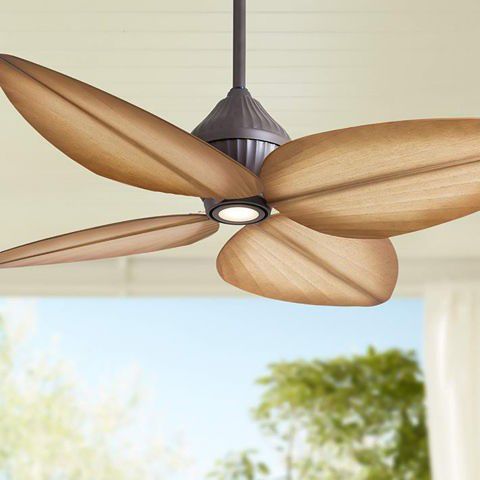
Planning to visit a ceiling fan shop in Hawaii? Discover expert tips and insider info for homeowners. Click here for insights from Maui Fan Center, Inc.
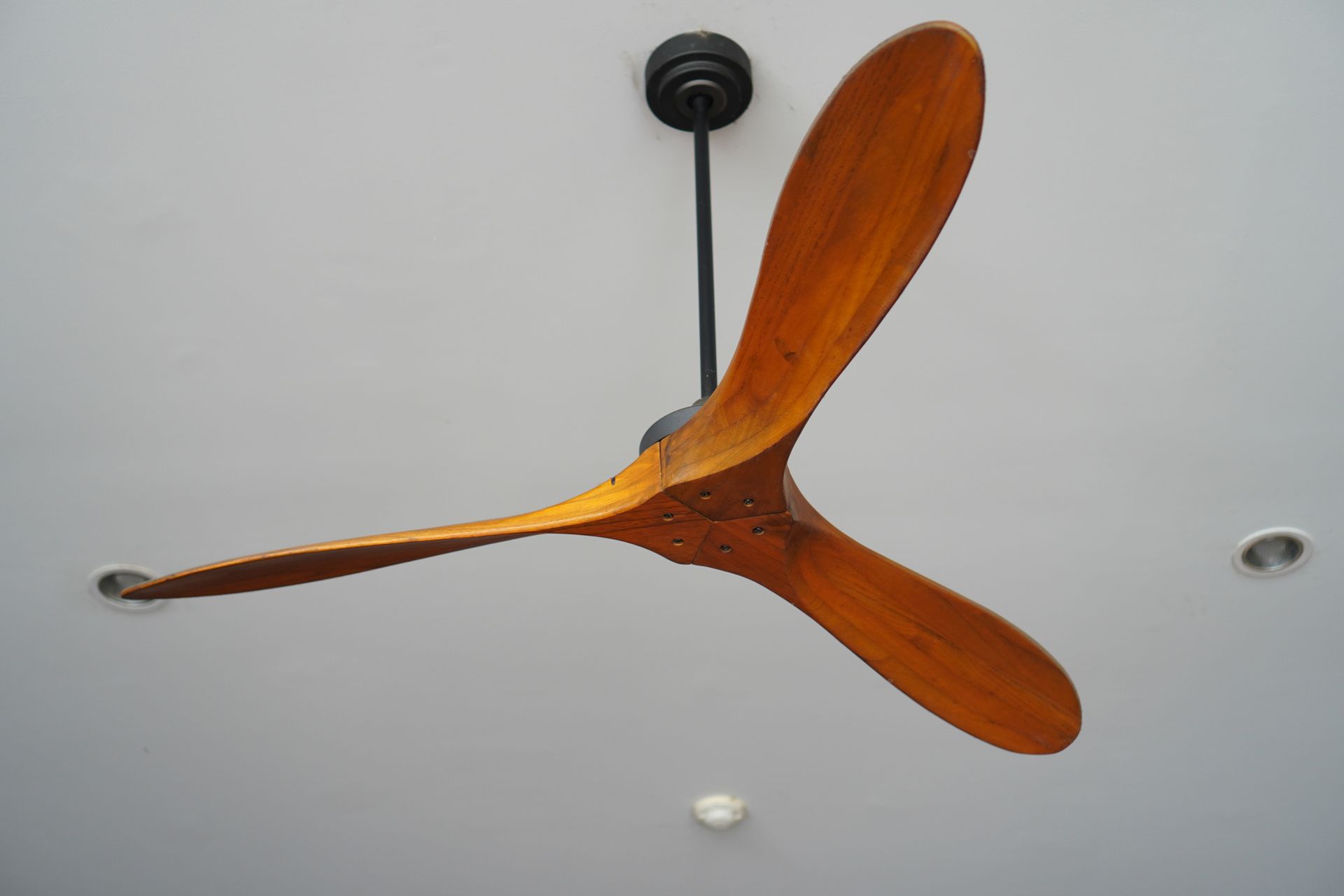
Discover 5 ways ceiling fans upgrade your home at Maui Fan Center Inc - from energy savings to stylish cooling. Shop ceiling fans now at (808) 871-7102!
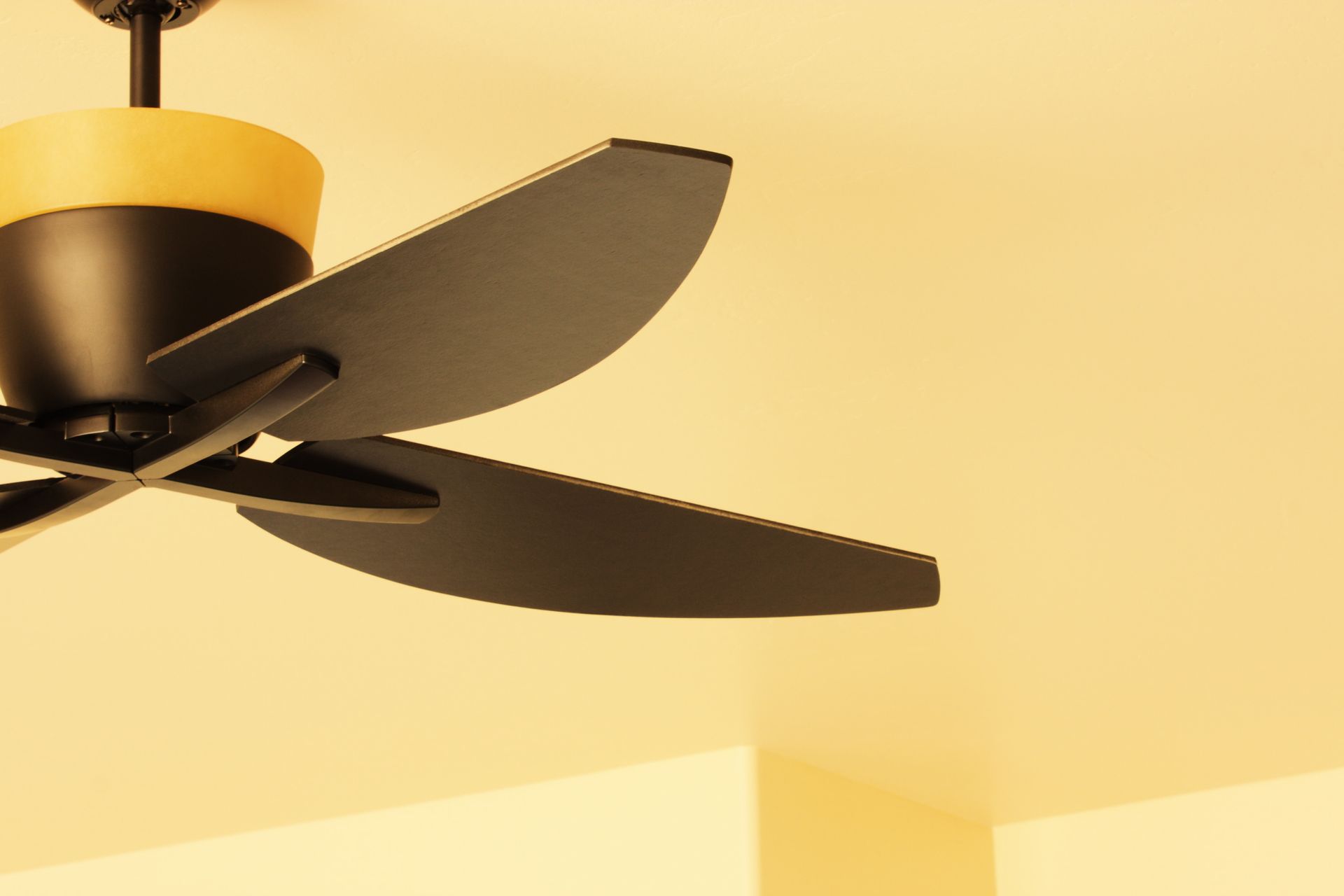
Learn how to choose the best ceiling fans in HI by considering room size, features, and design. Visit our website to explore our selection of ceiling fans!